Bridging the Gap: Enhancing Scientific Publishing Capacity in the Arab World

Although the Arab region has witnessed a noticeable rise in scientific activity over the past decades, its visibility in global publishing remains limited. The gap between regional productivity and international recognition highlights a systemic challenge that goes beyond individual researchers. It involves editorial infrastructure, language barriers, limited access to training, and insufficient institutional support.
Challenges Facing Arab Researchers
Arab researchers often face structural barriers such as limited funding for open-access publication fees, lack of editorial mentorship, and minimal exposure to global peer review practices. Many regional journals are still struggling to meet the indexing criteria of databases like Scopus or Web of Science, largely due to gaps in editorial quality, review transparency, and publication ethics.
Moreover, language remains a significant obstacle. English-dominated publishing environments can marginalize non-native speakers, which underscores the importance of localized editorial initiatives and bilingual publishing models. Studies show that non-native English speakers spend significantly more time reading and writing for English-language journals and are more likely to face rejection for language-related reasons.
Also, the predominance of English excludes many capable researchers from full participation.
The Role of Regional Collaboration
Building regional publishing capacity requires collaboration between universities, research centres, and regional editorial organisations. Initiatives such as regional editorial training programmes, shared peer-review platforms, and Arabic-English bilingual journals could bridge this gap effectively.
The Asian Council of Science Editors (ACSE) can play a vital role by connecting Arab editors with global networks, facilitating mentorship, and fostering a culture of editorial excellence and transparency.
Conclusion
Bridging the publishing gap in the Arab world is not just a technical or linguistic issue; it is a matter of representation, fairness, and inclusion in the global knowledge ecosystem. By investing in editorial training, promoting bilingualism, and strengthening regional collaboration, Arab science can gain the visibility and influence it truly deserves.
Keywords
Scientific publishing Arab world language barriers editorial capacity bilingual journals peer review training regional collaboration open access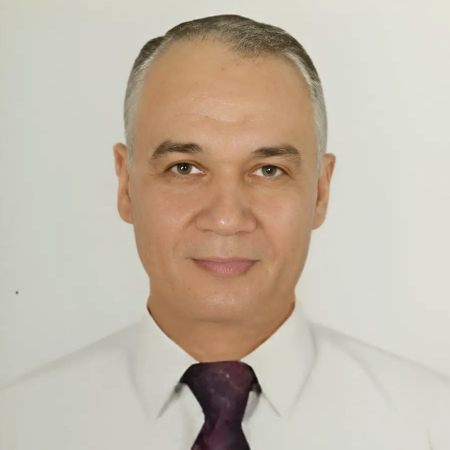
Prof. Dr. Sami Ali Metwally Mohamed is a Professor of Plant Physiology at the National Research Centre, Cairo, Egypt. His research focuses on ornamental plants, plant stress physiology, sustainable landscaping, and the role of plants in combating climate change and desertification.
View All Posts by Sami Ali Metwally MohamedDisclaimer
The views and opinions expressed in this article are those of the author(s) and do not necessarily reflect the official policy or position of their affiliated institutions, the Asian Council of Science Editors (ACSE), or the Editor’s Café editorial team.



Dr. Sami Hammed Farhan
23 March, 2026Global standards are really important. The thing is, not everyone has the same ability to meet them.
The problem we are facing is not that people do not want to do a job it is that they do not have the things they need to do it.